The Ultimate Guide to the 2026 FIFA World Cup: Everything US Fans Need to Know as the Historic Tournament Kicks Off
North America’s Soccer Takeover: The Ultimate 2026 FIFA World Cup Viewer’s Guide for US Fans
The waiting game is officially over. We have finally arrived at the first week of June 2026, and the global sports landscape is about to shift permanently toward North America. On Thursday, June 11, the 2026 FIFA World Cup kicks off a historic, month-long soccer festival. For the first time, three neighboring nations—the United States, Mexico, and Canada—are pooling their resources, stadiums, and cultural energy to host the most massive sporting event the world has ever seen.
This is not just another tournament; it is a complete reinvention of international soccer. Featuring an expanded 48-team roster and a sprawling 104-match schedule, this summer promises non-stop action on American television screens. Whether you are a die-hard soccer purist or a casual sports fan tuning in for the spectacle, the tournament is bringing the world’s elite athletes right to your backyard.
Redefining the Scale: The 48-Team Expansion Explained
For nearly three decades, sports fans have been accustomed to the classic 32-team World Cup format. That era is officially in the rearview mirror. This summer marks the grand debut of the 48-nation grid, a massive expansion that injects unparalleled drama into the group stage.
The structural breakdown of the new format is straightforward but intense:
- The Group Stage: 12 groups consisting of four teams each.
- The Knockout Qualification: The top two nations from every single group automatically punch their ticket to the next round.
- The Wildcard Twist: To round out the bracket, the eight best third-place finishers across the 12 groups will also survive.
- The Round of 32: A brand-new single-elimination stage that effectively adds an entire extra layer of high-stakes drama before teams even smell the traditional Round of 16.
This expanded footprint means we get to witness unique soccer cultures that have never graced this stage before. Debutants such as Cabo Verde, Uzbekistan, and Curaçao have earned their spots, offering fresh storylines and unpredictable matchups. For American viewers, this means wall-to-wall soccer coverage from dawn until late at night, transforming your summer television routine into a continuous loop of world-class sports.
Tournament Geography: Tracking the 11 American Host Venues
While Canada and Mexico are hosting vital matches, the geographic and financial engine of this tournament lives in the United States. Out of the 104 total fixtures on the calendar, a massive 78 matches will take place inside US borders. Eleven American metropolitan areas have spent years upgrading their stadiums, public transit, and fan parks to handle the influx of global supporters.
The chosen US host cities include:
- East Coast Hubs: Boston, New York/New Jersey, Philadelphia, Atlanta, and Miami.
- The Heartland: Kansas City, Dallas, and Houston.
- The West Coast: Los Angeles, the San Francisco Bay Area, and Seattle.
The venue lineup features some of the most technologically advanced stadiums on earth. Fans can look forward to matches in the billion-dollar cradle of SoFi Stadium in Southern California, as well as the notoriously loud atmosphere of Philadelphia’s Lincoln Financial Field.

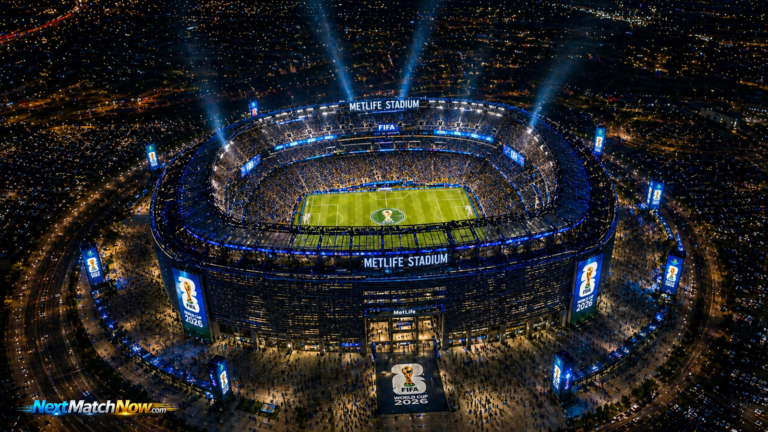
The crowning moment of the summer will take place on July 19, when the World Cup Final kicks off at the newly rebranded New York New Jersey Stadium (MetLife Stadium) in East Rutherford. Meanwhile, Los Angeles is establishing itself as a primary festival hub, hosting eight matches alongside a massive 39-day FIFA Fan Festival™ at the historic LA Memorial Coliseum, complete with live concerts, local food scenes, and giant outdoor watch parties.
Group Stage Breakdown: The USMNT, El Tri, and Canada
The logistical complexity of three host nations creates a compelling narrative across the continent. Each host country faces immense pressure to perform well in front of their home crowds.
The United States (USMNT)
The pressure cooker is officially on for the United States Men’s National Team. Placed into Group D, the Americans find themselves in a fascinating pool alongside Paraguay, Australia, and Türkiye. Boasting a “golden generation” of domestic talent who play their club soccer in the elite leagues of England, Italy, and Germany, merely escaping the group is no longer the benchmark for success. The USMNT opens its tournament journey on Friday, June 12, taking on Paraguay under the bright lights of Los Angeles Stadium.
Mexico (El Tri)
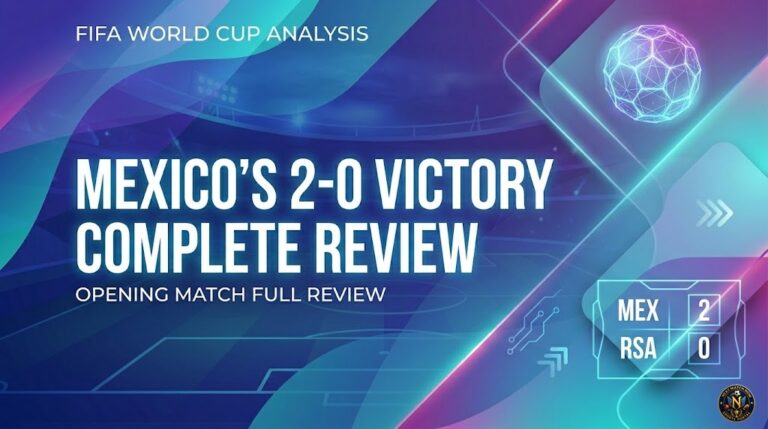
Mexico carries the honor of opening the entire tournament on June 11. El Tri will face off against South Africa at the iconic Estadio Azteca in Mexico City—a venue that hosted the legendary World Cup finals of 1970 and 1986. The sheer passion of the Mexican fan base guarantees that this opening match will be one of the most visually stunning and loud environments of the entire summer.
Canada
After shaking off decades of absences to qualify in 2022, the Canadian Men’s National Team enters this tournament looking to solidify their status as a true global threat. Playing on home turf, Canada starts its campaign on June 12 against Bosnia and Herzegovina at Toronto Stadium, hoping to leverage their cold-weather stadium advantage into early group stage points.
World Cup Fashion: Iconic Kits and Match Colors Confirmed
Soccer is as much about style and cultural identity as it is about tactics. FIFA recently finalized the official kit assignments for the opening slate of group matches, leaning heavily into classic, easily recognizable looks.
The USMNT will play their high-stakes opener in Los Angeles sporting their traditional patriotic red-and-white striped design. Mexico is locked into their famous emerald-green jerseys for the opening night in Mexico City, while Canada will take the pitch in their classic all-red kits in Toronto.
International powerhouses are also sticking to tradition: Argentina will wear their legendary sky-blue and white stripes (Albiceleste), Brazil will feature their unmistakable canary yellow and royal blue combo, and England will step onto the grass in their historic clean, all-white uniforms.
The Changing of the Guard: Soccer Legends vs. Rising Prodigies
From a narrative perspective, the 2026 World Cup serves as a beautiful crossroads between the past and the future of the sport.
On one side of the coin, we are watching the final acts of an extraordinary generation. Lionel Messi will look to defend Argentina’s historic 2022 championship crown on American soil, while Cristiano Ronaldo is set to guide Portugal in what will be a record-shattering sixth career World Cup appearance. Joining them in this legendary six-tournament club is Mexico’s veteran shot-stopper, Guillermo Ochoa.
On the other side of the coin, the official 26-man squads submitted in early June highlight a massive influx of young talent. Across the 48 participating nations, a total of 1,248 players representing 449 different professional clubs across 71 countries have arrived at their team base camps. American viewers should keep a close eye on the next generation of superstars making their tournament debuts, including France’s teenage midfield maestro Warren Zaïre-Emery, New Zealand’s defensive anchor Finn Surman, and Morocco’s creative engine Bilal El Khannouss.
The US TV and Streaming Broadcast Guide
For fans watching from home, following the tournament is incredibly straightforward. FOX Sports holds the exclusive English-language broadcast rights across the United States, and they have built a viewing schedule tailored perfectly for domestic audiences.
- The Network Breakdown: All 104 matches will be broadcast completely live. FOX’s main network will carry 70 premium matches, while FS1 will broadcast the remaining 34 fixtures.
- Prime-Time Advantage: In a massive win for working fans, a record 40 matches will air live during domestic prime-time hours on the East and West coasts.
- Digital Options: Every single minute of the tournament will stream live and on-demand via the FOX Sports app for authenticated cable subscribers.
- Free Streaming Alternative: Cord-cutters without a traditional TV package can watch major milestone matches—including the June 11 Mexico vs. South Africa opener and the June 12 USA vs. Paraguay match—completely free on the ad-supported streaming platform Tubi.
Opening Week Match Tracker for US Audiences
To ensure you don’t miss a single kickoff during the chaotic opening days, use this curated schedule of the most anticipated first-round matchups. (Note: All kickoff times are explicitly listed in Eastern Time)
| Matchup | Date | Time (ET) | Venue | Broadcast |
|---|---|---|---|---|
| Mexico vs. South Africa | Thursday, June 11 | 3:00 PM | Mexico City Stadium | FOX, Tubi |
| South Korea vs. Czechia | Thursday, June 11 | 10:00 PM | Estadio Guadalajara | FS1 |
| Canada vs. Bosnia & Herzegovina | Friday, June 12 | 3:00 PM | Toronto Stadium | FOX |
| USA vs. Paraguay | Friday, June 12 | 9:00 PM | Los Angeles Stadium | FOX, Tubi |
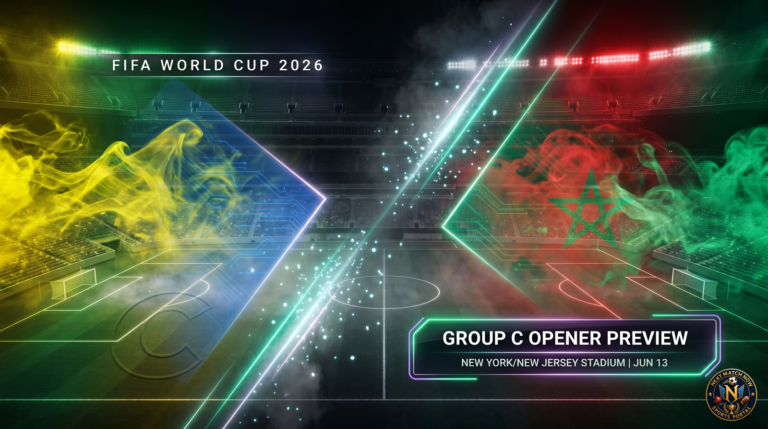
| Brazil vs. Morocco | Saturday, June 13 | 6:00 PM | NY/NJ Stadium | FOX |
| Haiti vs. Scotland | Saturday, June 13 | 9:00 PM | Boston Stadium | FS1 |
| Germany vs. Curaçao | Sunday, June 14 | 1:00 PM | Houston Stadium | FOX |
| Netherlands vs. Japan | Sunday, June 14 | 4:00 PM | Dallas Stadium | FOX |
| Spain vs. Cabo Verde | Monday, June 15 | 12:00 PM | Atlanta Stadium | FOX |
| Saudi Arabia vs. Uruguay | Monday, June 15 | 6:00 PM | Miami Stadium | FS1 |
The Stage Is Set
The team buses have arrived at their respective training complexes, the stadium grass has been meticulously manicured, and millions of international fans are touching down at airports across the United States. The 2026 FIFA World Cup is no longer a distant dream on the horizon—it is officially here.
From the opening whistle in Mexico City to the final trophy presentation in East Rutherford, this summer will live on in sports history. Pop your popcorn, set your DVRs, and get ready for a month of pure, unadulterated drama. The beautiful game has officially taken over North America.