FIFA World Cup 2026 Schedule in Indonesia WIB Time Zones and Fixtures
The Complete FIFA World Cup 2026 Schedule in Indonesia Time
Across the vast archipelago of Indonesia, football is not merely a sport; it is an enduring obsession, a communal celebration, and a unifying language that bridges diverse communities. When the grandest sporting event on the planet begins, the bustling streets of Jakarta go quiet, the late-night local warungs overflow with fans, and millions of screens light up in unison. The upcoming 2026 tournament, historically co-hosted by the United States, Canada, and Mexico, is already shaping up to be the most colossal and logistically complex edition in the history of the beautiful game.
With sweeping changes to the traditional tournament rules and an unprecedented expansion that opens the global stage to more nations than ever before, supporters are strapping in for a month-long rollercoaster of drama. However, with the matches taking place across the immense landmass of North America, keeping track of the action from Southeast Asia requires serious dedication and precise planning.
Here at NexMatchNow, we have meticulously crafted the definitive guide to navigating this upcoming festival of football, ensuring that you never miss a crucial kickoff, a stunning upset, or a last-minute golden goal, all perfectly adjusted to Western Indonesia Time (WIB).
The 48-Team Revolution: Elevating Asian Football on the Global Stage
For several decades, the standard 32-team format defined the summer football spectacle, creating an exclusive club of the world’s elite. But 2026 brings a revolutionary structural change: a massive expansion to 48 competing nations. For fans across Asia, and particularly within the ASEAN region, this is arguably the most thrilling development in modern international football.
Instead of the usual grueling bottleneck for qualification, the Asian Football Confederation (AFC) now boasts eight direct qualification tickets, alongside a potential ninth spot available via an intercontinental playoff. This dramatically amplifies the chances of seeing traditional powerhouses like Japan, South Korea, and Saudi Arabia making deeper runs, while opening the door for rising regional contenders to finally step into the global spotlight.
What does this profound shift mean for the everyday Indonesian supporter? An absolute avalanche of football. The expansion inflates the tournament to a staggering 104 matches spread out over 39 days of non-stop action. The playing countries will be segmented into 12 groups of four. To survive the initial group stage, teams must secure a finish in the top two of their group, or rank among the eight best third-placed finishers, to advance to the newly minted Round of 32. This format guarantees an uninterrupted daily feast of matches that will test the endurance of both the athletes on the pitch and the fans watching from home.
Conquering the Time Zones: Decoding Kickoff Times in WIB
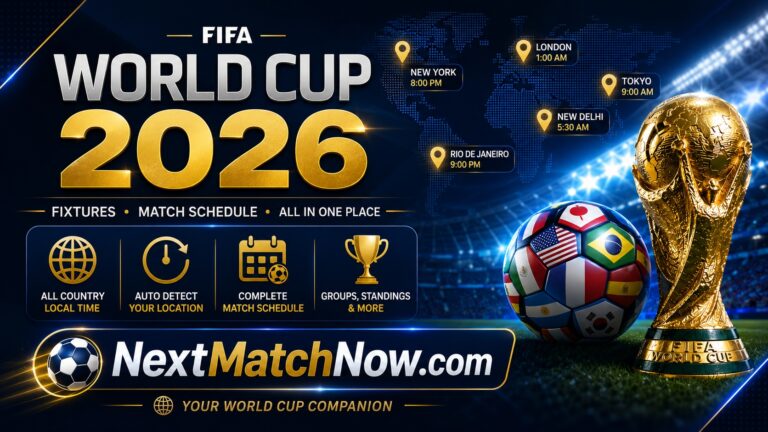
The most significant hurdle for fans watching from Indonesia will undoubtedly be the severe transatlantic time difference. The 16 host cities are geographically scattered across four primary North American time zones: Eastern, Central, Mountain, and Pacific.
For viewers relying on Western Indonesia Time (WIB), adjusting your daily routine and body clock is just as critical as knowing which teams are playing. The difference ranges from 11 to 14 hours, meaning the tournament will heavily disrupt standard sleeping patterns.
- East Coast Breakfast Football: Matches held in Eastern Time (ET) cities such as New York, Miami, Philadelphia, and Toronto are 11 hours behind WIB. This creates a rather favorable viewing window for prime-time US matches. For instance, an 8:00 PM ET evening kickoff translates perfectly to a 7:00 AM WIB start the following morning. Fans can enjoy world-class football alongside their morning coffee before heading to the office.
- Central and Mountain Adjustments: Matches in Central Time (like Dallas or Houston) are 12 hours behind WIB, while Mountain Time locations are 13 hours behind. Afternoon games in these regions will fall squarely in the middle of the night for Indonesian viewers, typically between 2:00 AM and 4:00 AM WIB, demanding serious commitment and multiple alarms.
- West Coast Morning Thrillers: The Pacific Time (PT) zone presents its own unique dynamic. Cities like Los Angeles, Seattle, and Vancouver are a full 14 hours behind WIB. A late afternoon 4:00 PM PT match will broadcast at 6:00 AM WIB, while prime-time 8:00 PM PT matches will push into the mid-morning at 10:00 AM WIB, right in the middle of the Indonesian workday.
Because of this massive geographical spread, relying on generic global search results will lead to confusion. You need a dedicated, WIB-adjusted daily fixture list to properly plan your viewing schedule, your sleep cycles, and your social events.
The Culture of Nonton Bareng and Live Broadcasting
Watching a monumental international fixture in isolation simply does not capture the vibrant essence of Indonesian football culture. The tradition of Nonton Bareng (or Nobar)—gathering together to watch a match—is a neighborhood institution. From massive outdoor screens set up in public squares to the crowded, smoke-filled warung kopis (warkops) that stay open 24 hours, the shared atmosphere of tactical debates, collective groans at missed chances, and explosive celebrations is what makes the tournament truly special.
For the 2026 edition, expect these local hubs to operate on entirely shifted schedules, adapting to the erratic early morning and mid-day North American kickoffs. In terms of domestic broadcasting, terrestrial giants like SCTV, Indosiar, and the national network TVRI have historically championed free-to-air coverage, while digital streaming behemoths like Vidio provide comprehensive, all-access passes to every single minute of the tournament.
As mobile consumption continues to skyrocket across the archipelago, having access to an official streaming application will be a vital lifeline. When a crucial West Coast match kicks off at 9:00 AM WIB, millions of fans will be relying on their smartphones to stream the action while commuting on the KRL or subtly watching from their office desks. Ensuring a robust data plan and utilizing legitimate, high-definition streaming platforms will shield you from the agonizing frustration of sudden buffering during a decisive penalty shootout.
The Grand Stages: From the Legendary Azteca to the Futuristic SoFi
The visual backdrop for this expanded tournament will feature some of the most technologically sophisticated and historically revered arenas in existence, providing a stunning contrast of footballing heritage and modern engineering.
In Mexico, the hallowed grounds of the Estadio Azteca in Mexico City will cement its legendary status by becoming the first stadium in history to host matches across three separate World Cup tournaments. Witnessing modern superstars compete on the exact same turf where icons of the sport forged their eternal legacies will offer a visually spectacular and emotionally resonant experience.
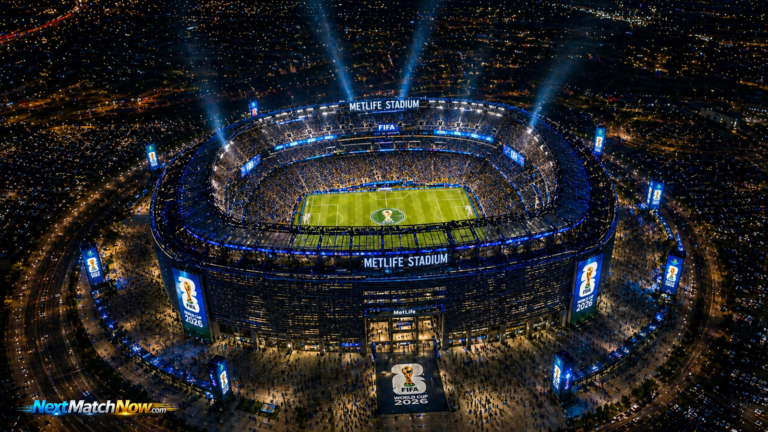
North of the border, the United States brings an unparalleled level of hyper-modern infrastructure. Awe-inspiring venues such as the multi-billion-dollar SoFi Stadium in Los Angeles and the mammoth MetLife Stadium in New Jersey are equipped with state-of-the-art camera systems, advanced acoustics, and pristine pitch technology that will make the broadcasts practically leap off your screen. Canada will contribute its own fierce atmospheres through the scenic BC Place in Vancouver and the hostile, tightly packed BMO Field in Toronto, adding a rich visual diversity to the month-long broadcast.
FIFA WC 2026 Fixture Table (WIB Adjusted)
To keep your erratic, month-long football diet perfectly organized, utilize the comprehensive tracking table provided below. As the final qualification rounds conclude and the group stage draw is officially locked in, this blank canvas will transform into your indispensable daily roadmap. Bookmark this page, print the table for your workspace, or share it directly into your local football community WhatsApp groups.
(Note: All kickoff times to be populated in this table will be strictly pre-adjusted to Western Indonesia Time – WIB).
Today’s FIFA World Cup 2026 Matches
Match Schedule in Western Indonesia Time (WIB / GMT+7)
Tomorrow’s FIFA World Cup 2026 Fixtures
Match Schedule in Western Indonesia Time (WIB / GMT+7)
FIFA World Cup 2026 Schedule & Fixtures
Loading master tournament schedule…
The Complete FIFA World Cup 2026 Schedule in Indonesia Time WIB
FIFA World Cup 2026 Indonesia Schedule

Download FIFA WORLD CUP 2026 Schedule in Indonesia Time
Download FIFA WORLD CUP 2026 Full Schedule in Indonesia Time (PDF)
The Countdown Begins Now
The long, dramatic road to North America is already actively paving itself with stunning upsets, tactical masterclasses, and incredible underdog narratives throughout the ongoing global qualifiers. The sheer scale of the new 48-team format guarantees that we will witness fresh nations stepping confidently into the spotlight, introducing innovative tactical philosophies and vibrant traveling support to the grandest stage in sports.
Keep this page securely bookmarked on NexMatchNow, have your favorite national team jerseys washed and ready, and begin mentally preparing for the chaotic joy of early morning kickoffs. The greatest show on earth is rapidly approaching the horizon, and armed with this guide, you won’t miss a single unforgettable second of the magic.